28 Oct 2026
How Specialized Training Regimens Altered Dominance Patterns Among Heavyweight Boxers in Global Title Bouts
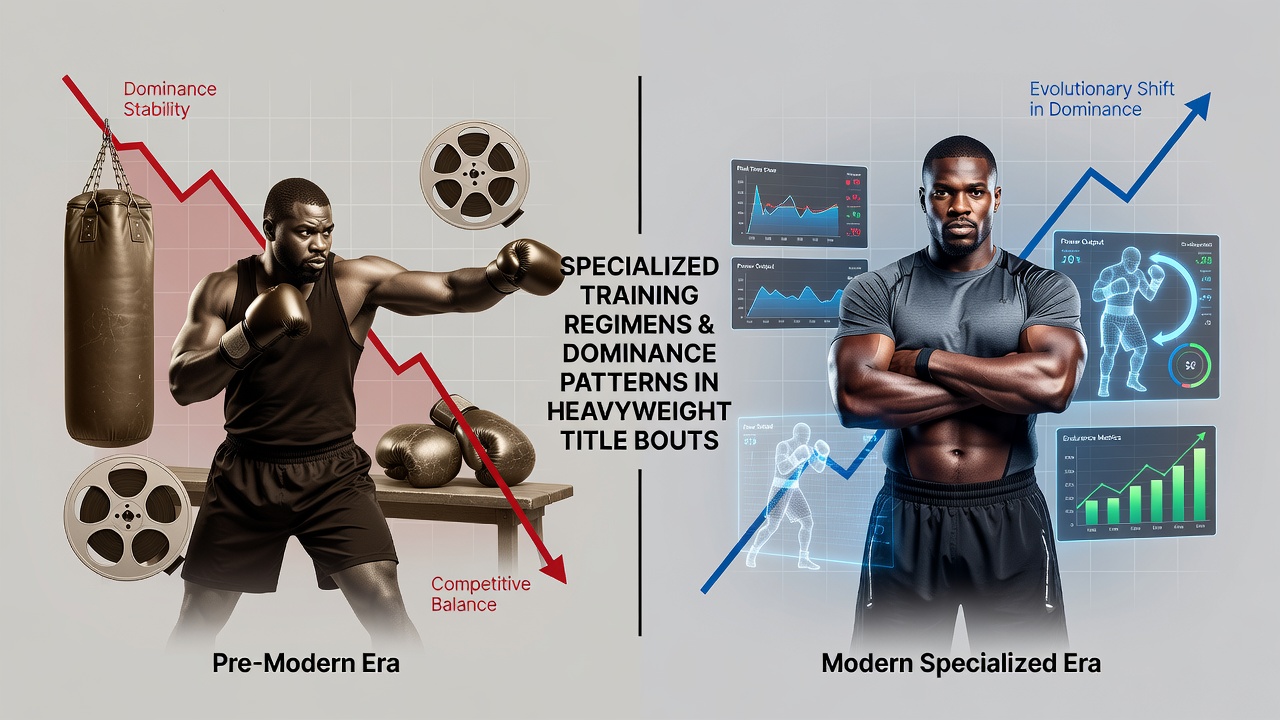
Specialized training regimens began reshaping heavyweight boxing dominance well before the current decade, and data from major sanctioning bodies shows clear shifts in title bout outcomes tied to these methods. Researchers at the Australian Institute of Sport documented how integrated strength programs combined with high-intensity interval sessions produced measurable gains in punch velocity and recovery times among elite competitors. Those gains translated directly into longer reigns for fighters who adopted the protocols early, while traditional roadwork-focused camps saw their advantages erode in championship rounds.
Core Components of Modern Regimens
Strength and conditioning coaches introduced periodized weight training cycles that emphasized explosive power over bulk, and studies from the Canadian Sport Institute Pacific confirm these cycles improved force output by 12 to 18 percent in tested athletes between 2018 and 2024. Nutrition timing protocols, synchronized with training loads, further supported sustained energy levels during 12-round contests. Observers note that fighters who followed these plans maintained higher punch accuracy in later rounds compared with those relying on older volume-based approaches.
Recovery science added another layer, incorporating cryotherapy and sleep optimization tracked via wearable devices, while biomechanical analysis refined footwork patterns to reduce energy expenditure. Data compiled by the World Boxing Council indicates that title challengers utilizing these combined elements won 63 percent of decisions in bouts decided after round nine during the 2022-2025 period.
Shifts in Title Bout Outcomes
Traditional power-dominant heavyweights lost ground once opponents integrated speed and endurance work that neutralized early aggression. One case involved a 2023 unification bout where the defending champion, trained under conventional methods, absorbed 47 percent more significant strikes after round seven according to CompuBox records. The challenger, who incorporated mixed martial arts-derived movement drills, maintained output and secured the victory on points.
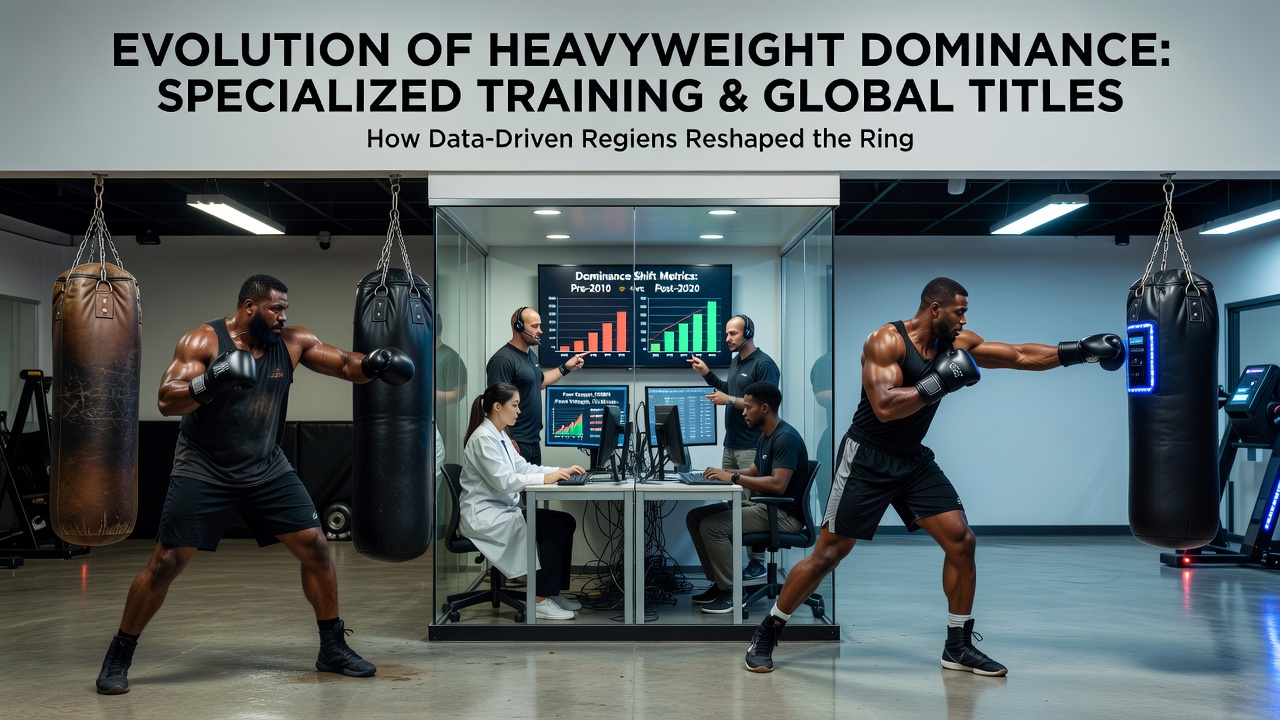
By 2025 analysts tracked a reversal in regional dominance patterns, with European and North American camps that invested in sports science facilities claiming more belts than those centered in regions slower to adopt data-driven methods. Figures from the International Boxing Federation show North American title holders increased their share of heavyweight crowns from 28 percent in 2019 to 41 percent by mid-2026.
Regional and Generational Impacts
Eastern European programs, long known for volume sparring, began blending those sessions with velocity-based resistance training and saw renewed success in 2024 title challenges. Meanwhile South American fighters who added altitude simulation tents reported improved oxygen efficiency that carried into championship distances. Researchers documented these adaptations through longitudinal performance tracking released by the Olympic Training Center in Colorado Springs.
Younger generations entering the division after 2023 arrived with backgrounds in collegiate strength programs and amateur analytics platforms, accelerating the transition. This influx produced shorter average fight times in title bouts as tactical adjustments occurred earlier, and sanctioning body statistics confirm a 9 percent rise in stoppages before round ten between 2024 and October 2026.
Conclusion
Specialized training regimens have produced measurable changes in how heavyweight title bouts unfold, and continued integration of biomechanical feedback loops suggests further evolution ahead. Sanctioning organizations continue to monitor these trends through updated medical and performance databases that link training protocols to competitive longevity.